If you’re experiencing pain and inflammation in your wrist that’s hindering your daily activities, you may want to seek out carpal tunnel treatment to alleviate your symptoms. At Arthritis & Osteoporosis Associates, we can effectively diagnose, treat, and manage your carpal tunnel syndrome to help you achieve comfort and mobility.
What is Carpal Tunnel Syndrome?
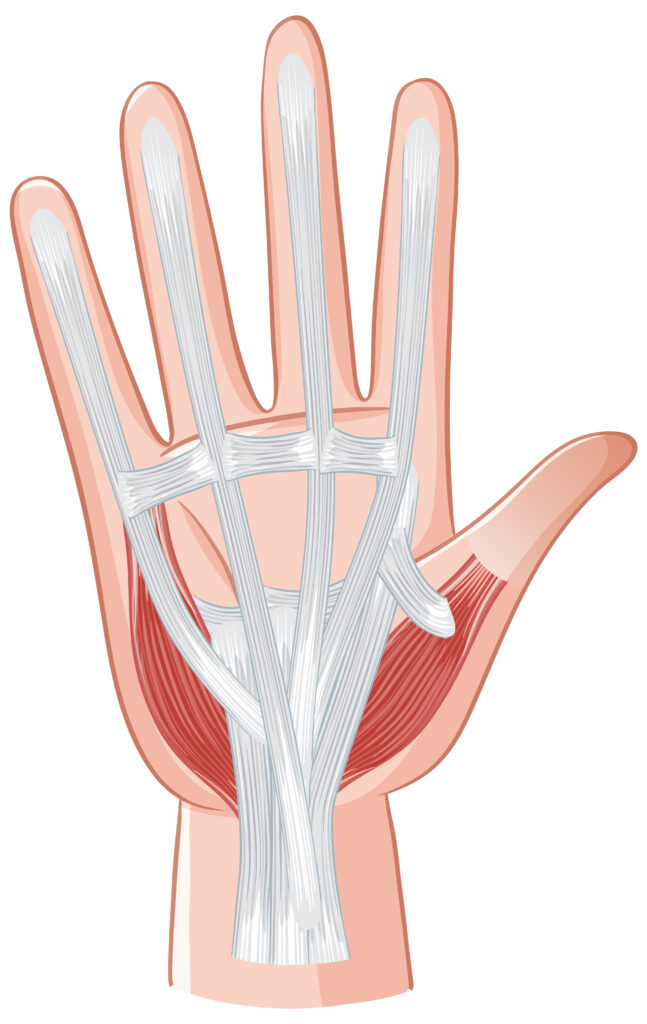
Carpal tunnel syndrome occurs in the wrist, which is due to the median nerve (nerve that runs from forearm to hand) becomes compressed as it passes through a narrow opening, referred to as the carpal tunnel, into your wrist. The median nerves controls the sensation in mode of your fingers and thumb.
When there’s swelling in your carpal tunnel, the space for the nerve narrows, causing the nerve to become irritated, which results in pain and numbness in your wrist and fingers.
What Causes Carpal Tunnel Syndrome?
Carpal tunnel syndrome slowly develops over time when the tissues surrounding the median nerve begin to become inflamed and swollen. Over time, you’ll begin to feel stiffness and a lack of dexterity.
Common causes of carpal tunnel syndrome include:
- Repetitive tasks with hands (typing, frequent use of motorized tools, carrying heavy items)
- Arthritis & inflammatory conditions
- Hormonal changes (pregnancy, menopause, or thyroid imbalance)
- Wrist injuries
- Chronic health conditions (autoimmune conditions, diabetes, obesity)
What are the Symptoms of Carpal Tunnel Syndrome?
While the symptoms of carpal tunnel syndrome vary from person to person, there are a few of the more common symptoms that most people afflicted with the condition share.
These carpal tunnel syndrome symptoms include:
- Numbness in hands and fingers
- Weakness in hands
- Difficulty gripping objects or opening jars
- Arm pain
- Worsening symptoms at night
- Diminishing coordination in motor skills
Diagnosing Carpal Tunnel Syndrome
In order to get diagnosed with carpal tunnel syndrome, a practioners will need to review your medical history, conduct a physical exam, and evaluate your symptoms. Some of these exams include a study to measure your nerve function, and ultrasound to get a sense of the swelling, blood tests to determine if there may be a contributing inflammatory condition, and even medical imaging to see if there are any structural issues in your wrists.
If the tests come back indicating that you have carpal tunnel syndrome, the practioners will develop a plan to treat and manage your condition.
Carpal Tunnel Treatment at Our Rheumatology Clinic
Like the symptoms, carpal tunnel treatment varies from patient to patient. The key is managing the inflammation through the use of wrist splints, reducing strenuous physical activity, the use of cold and warm compresses, as well as taking anti-inflammatory medications.
Carpal tunnel syndrome can also be treated through corticosteroid injections to help reduce inflammation around the median nerve. However, if the symptoms continue to persist despite the treatments above, surgery may be necessary.
Get Diagnosed & Treated for Carpal Tunnel Syndrome
If you’re experiencing the symptoms and want to be sure that you have carpal tunnel syndrome, or you’ve already been diagnosed and are seeking carpal tunnel treatment, you can look to us at Arthritis & Osteoporosis Associates for relief.
Our practioners are here to help you by managing and treating your condition to help you find relief and comfort.
*Please consult your primary care physician before seeking treatment and diagnosis elsewhere.