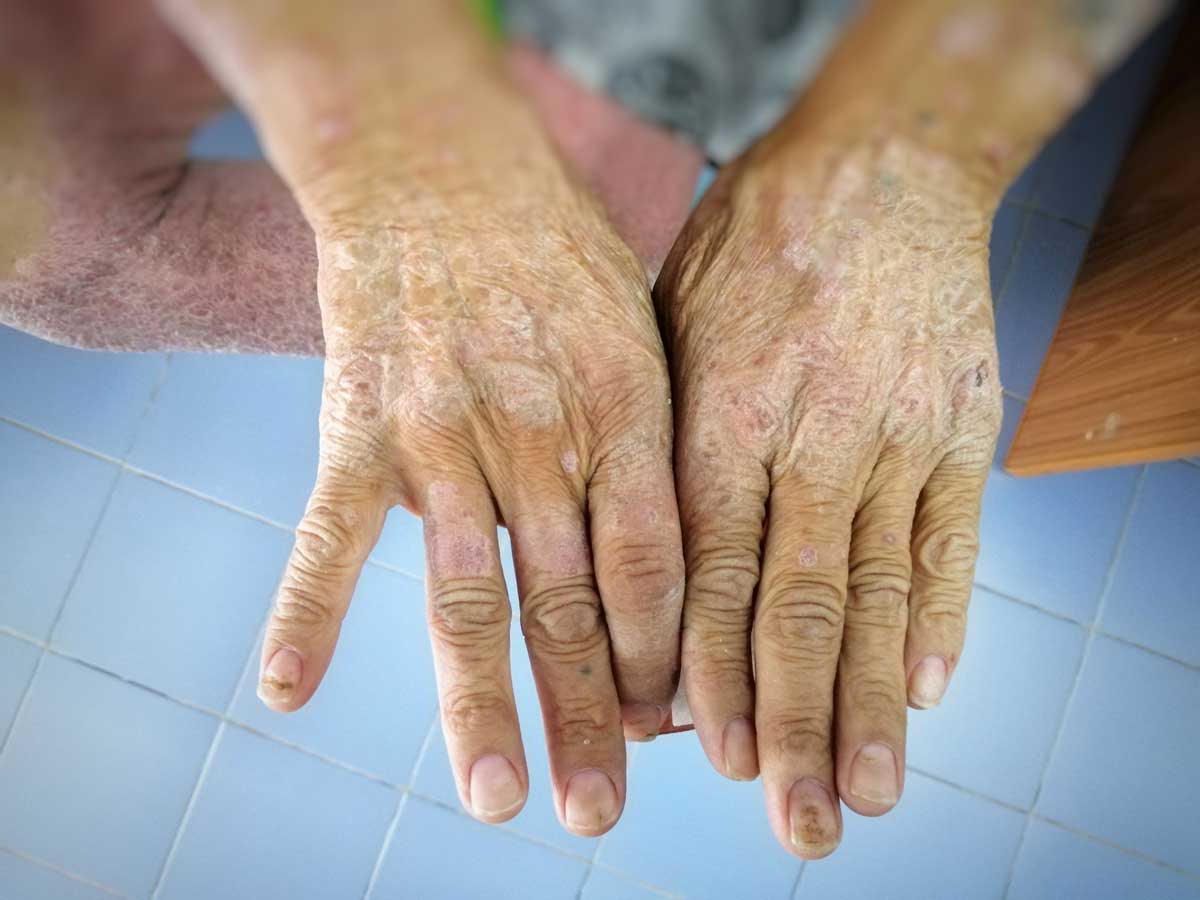
If you’ve been diagnosed and are actively seeking scleroderma treatment to find comfort and relief, the team at Arthritis & Osteoporosis Associates can help you manage your condition. We’re here to help you learn more about this condition with what it is, what causes it, what the symptoms are, and how you can find scleroderma treatment.
This article can help you learn more about the condition so you can get diagnosed and treated.
What is Scleroderma?
Scleroderma is an autoimmune disease that affects your body’s connective tissues. The word is derived from Greek, with skleros meaning hard and derma meaning skin. While the condition primarily affects the skin, it can also affect the internal organs lie the kidneys, heart, lungs, and even the digestive tract.
The condition occurs when the immune system becomes overactive and triggers the process of collagen. Collagen is an important protein that helps protect the skin, but the condition causes your immune system to overproduce collagen, resulting in the skin becoming stiff and thickened.
Scleroderma Symptoms
The symptoms of scleroderma can vary on a case-by-case basis, but it can be broken down into two distinct categories:
- Localized scleroderma- affecting the skin
- Systemic scleroderma- affecting the organs
Early symptoms of scleroderma include:
- Fatigue
- Thickening or tightness of skin
- Hand puffiness or swelling
- Raynaud’s phenomenon (a condition where the fingers turn white, red, or blue in response to stress or cold temperatures).
When scleroderma affects the skin, it results in hardened or shiny skin, reduced flexibilities in fingers, hands, and even the face, and patches of discolored skin. It can also result in joint pain and stiffness and muscle weakness.
When dealing with systemic scleroderma, it can cause symptoms stemming from the organics, which can include:
- Digestive issues (heartburn, acid reflux, bloating, changing bowel habits, difficulty swallowing)
- Heart and lung issues (shortness of breath, lingering dry cough, low exercise tolerance)
Because this condition can affect the organs, the symptoms may have a slower onset. But if you recognize any of these symptoms, it’s important to seek diagnosis and treatment from a rheumatologist.
Getting Scleroderma Diagnosis
Scleroderma can be diagnoses after a detailed evaluation. While there’s no specific test to diagnose the condition, so it can only be properly diagnosed through a series of tests and studies, such as:
- Medical history review and physical exam
- Blood tests
- Organ imaging and evaluation
Scleroderma Treatment & Management
While scleroderma can’t be cured, treatment is more focused on managing the symptoms and slowing the profession of the disease, and instilling organ protection. Care is individualized based on the type and severity of the condition, but treatments can include:
- Medication (immunosuppressives, vasodilators, proton pump inhibitors, hypertension and lung disease medications)
- Lifestyle adjustment and support (physical therapy, regular tailored exercise, skin care treatment, environmental changes)
- Additional care (seeking treatment from different medical disciplines like cardiologists and gastroenterologists)
Getting Scleroderma Treatment from Our Rheumatology Clinic
If you’re experiencing the symptoms and discomfort of scleroderma and want to get diagnosed and treated, you can look to us at Arthritis & Osteoporosis Associates. Our practitioners are here to help you learn more about the condition and tailor a treatment that fits specifically to you so you can achieve comfort while slowing the progression of the condition.
Schedule a consultation with us today*.
*It’s important to consult with your primary care professional before seeking alternate treatment.