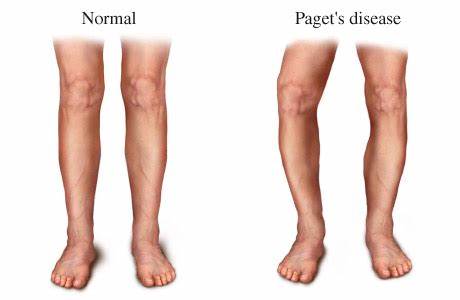
If you’re experiencing discomfort and seeking Paget’s disease treatment nearby, the team at Arthritis & Osteoporosis Associates can help. We’re here to help you learn more about this condition by explaining what it is, showcasing the symptoms, and providing details on how we can treat it.
What is Paget’s Disease?
Paget’s disease is a chronic condition that affects the bones and the process for bone remodeling. Over the course of the years, the body continually breaks down old bone and replaces it with new healthy bones. With Paget’s disease, this process experiences disruption with bones breaking down much faster and replacing them with larger bones that are weaker and less organized.
While the condition can affect any bone in the body, it commonly affects the spine, skill, pelvis, and legs. One bone can be affected, but multiple bones affected can also occur. Early diagnosis and treatment can help reduce further complications and help improve comfort and quality of life.
How is Paget’s Disease Caused?
While not specific cause of Paget’s disease has been discovered, researchers and doctors believe that it results from a mix of both genetic and environmental factors. Paget’s disease that’s present in family history makes the risk of getting it higher.
Paget’s disease is common in:
- Men (slightly more often than women)
- Adults over the age of 50
- Family history with the condition
- People with northern European ancestry
Paget’s disease is not contagious, nor is it caused by lifestyle, diet, or exercise choices.
What are the Signs & Symptoms of Paget’s Disease
Symptoms of Paget’s disease can be slow to develop, with some afflicted with it don’t even experience them, but it often depends on which particular bone is affected.
The common Paget’s disease symptoms include:
- Joint pain near affected bone
- Persistent pain in bone
- Misshapen or enlarged bones
- Warmth over infected bone
- Stiffness
- Leg bowing
- Changes in spinal curve or posture
- Headaches or hearing loss (if skull is affected)
As Paget’s disease progresses, it could result in weakened bones that would be more susceptible to fractures. In some cases, enlarged bones can put pressure on nerves, which can result in tingling, numbness, and weakness.
How is Paget’s Disease Diagnosed?
If you’re experiencing the symptoms and are look for a Paget’s disease diagnosis, there are a few exams and tests that a rheumatologist will order to confirm that you have the condition. These include:
- X-rays to identify bone changes
- Bone scans to detect affected bones
- Blood tests to measure ALP, which is elevated with the disease
- CT or MRI scans if additional details are needed.
The results of these tests can help determine how severe the condition is and help guide treatment decisions.
Paget’s Disease Treatment & Management
While not everyone with Paget’s disease requires immediate treatment, there are a few options for those with more severe cases.
These treatments include:
- Biphosphonate medications
- NSAIDs
- Physical therapy
- Low-impact exercise
- Surgery (if there’s severe arthritis, nerve compression, fractures, or significant deformities)
Individuals with minor cases may not need immediate action, but should monitor the progression closely.
Get Paget’s Disease Treatment Today
If you’ve been diagnosed, or looking to see if you have Paget’s disease and its treatments, you can look to us at Arthritis & Osteoporosis Associates. We’ll help you manage the condition so you can obtain comfort and normalcy with your lifestyle. Schedule your visit with us today*!
*It’s recommended speaking to your primary care professional before seeking alternate treatment.